
Senior Health

Senior Health

Senior Health

Scientists and researchers believe the maximum life span in humans is in the area of 110 to 130 years. There are some claims that there are and have been people in certain regions of the world that have reached ages of over 130 years old. We have to ask ourselves:  What are the benefits to living a long life?  If someone told you that you were going to live to 120 years of age, would you take better care of yourself? Most would. So why don’t we just assume we are going to live that long, and take care of ourselves in order to enjoy the time we have here on earth with our families and friends. Hopefully some of the following tips will help you make the best of the days you do have here on earth.

Senior Fitness

OK, so you are part of the generation that never learned how to go to a gym or “workout”. Well the good thing is that it is not too late. Anyone can get started on an exercise program and make it a part of your daily life. The key is to be smart about it. You can start a program too fast and possibly hurt yourself. Using a few of the following proven tips can prevent you from hurting yourself as you get started. Relax, its easy.

Senior Cardiovascular Fitness

Cardiovascular fitness refers to exercises like walking, jogging, running, cycling, the treadmill, elliptical and exercises that will elevate heart rate for a period of time. For seniors, a good idea is to work out cardio for approximately 30 minutes two to three times per week. As far as intensity of the workouts, the intensity should be low to moderate, anywhere from 60-75% of maximum heart rate. We talk about heart rates in the heart rate training section.

Senior Strength Fitness

When working out with free weights, (dumbbells or barbells), machines, or other resistance type mechanisms, the emphasis should be on form of movement. Good mechanical form of movement will correctly isolate the muscles being used, and reduce the risk of injury. When starting a strength training routine with form as the focus, the weight should be little or none until the proper form is understood and performed correctly. When the form of the exercise is learned, then weight can be used. A good starting weight is a weight that you can lift with good form for 12-18 repetitions. A good number of sets would be two sets for each exercise. Wellness4everyone recommends working with a Certified Fitness Trainer when learning a strength training routine.

Senior Flexibility Fitness

The third area of a complete fitness regimen is flexibility training or stretching. Stretching is important for warming up the muscles and preparing them for activity, especially for seniors.  A good stretching regimen is important for anyone participating in fitness training and is the same for seniors as it is for anyone else. A quick stretching regimen is as follows, and more information can be found in the flexibility fitness section of this website. When we are stretching a muscle or muscle group, we want to move slowly, and concentrate on the elongation of the muscle or muscle group. Stretch the muscle until you feel slight tension of the muscle and hold, the tension feeling should subside after a few seconds, if it does not, ease off the tension a little. This process should last anywhere from 15-30 seconds per stretch. As you become used to stretching, you can go one step further and stretch to the original tension, and hold, then after the tension eases, stretch the muscle a little more to go into the advanced form of stretching.

Good Nutrition for Seniors

Good nutrition for seniors begins with a good plan. We take four main nutrients into our bodies: carbohydrates, proteins, fats, and water. A good sound diet consists of around 50% carbohydrates, mostly from complex carbohydrates. Protein needs to make up about 33% of our daily intake, and fats need to be around 15% of our daily intake, preferably from poly or monounsaturated sources.  If we concentrate on the correct ratios of Carbs and Proteins, we will have the correct amounts of fats in our diet, so there is really no need to go looking for the fat for your daily diet, it will usually be there already. Vitamins and Minerals are also needed to maintain good health, and seniors need to get as much or more of these vital nutrients as younger individuals. Drinking alkaline water each day is certainly prescribed for those wanting to improve their health, especially seniors. More information on vitamins and minerals can be found in the respective sections of wellness4everyone.com.

More information on Senior Health

You can find more Senior Health information in the Health articles section of www.wellness4everyone.com.
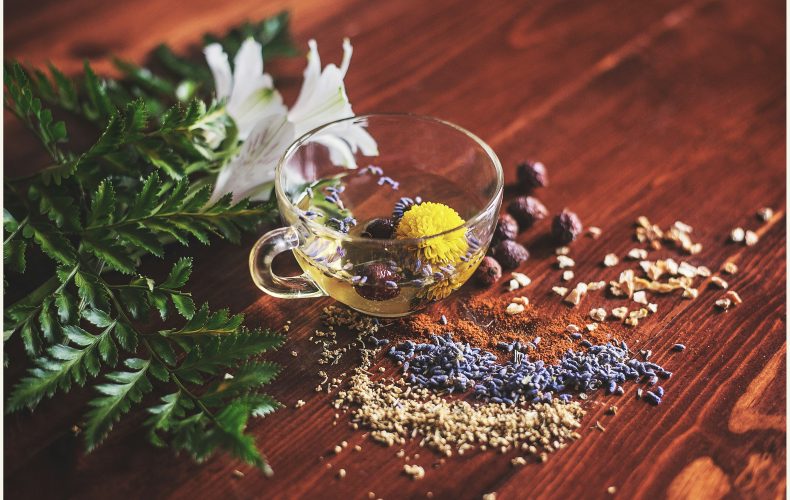

Home Remedies

Home Remedies

What are Home Remedies?

Wikipedia states a home remedy is a treatment to cure a disease or ailment that employs certain spices, vegetables, or other common items. Home remedies may or may not have medicinal properties that treat or cure the disease or ailment in question, as they are typically passed along by laypersons (which has been facilitated in recent years by the Internet). Many are merely used as a result of tradition or habit or because they are effective in inducing the placebo effect. A significant number, however, have been demonstrated to effectively treat ailments such as sprains, minor lacerations, headaches, fevers, and even the common cold.

One of the more popular examples of a home remedy is the use of chicken soup to treat respiratory infections such as a cold or mild flu, and according to recent studies, this may actually be effective. Other examples of medically successful home remedies include willow bark tea to cure headaches and fevers (willow bark contains a form of acetylsalicylic acid, also known as aspirin); duct tape to help with setting broken bones; duct tape or superglue to treat plantar warts; and Kogel mogel (egg-based homemade dessert popular in Eastern Europe) to treat sore throat.

In earlier times, mothers were entrusted with all but serious remedies. Historic cookbooks are frequently full of remedies for dyspepsia (indigestion), fevers, and female complaints.

Many European liqueurs or digestifs were originally medicinal remedies. In Chinese folk medicine, medicinal congees (long cooked rice soups with herbs), foods, and soups are part of the healing repertoire.

What are Home Remedies?

Wikipedia states a home remedy is a treatment to cure a disease or ailment that employs certain spices, vegetables, or other common items. Home remedies may or may not have medicinal properties that treat or cure the disease or ailment in question, as they are typically passed along by laypersons (which has been facilitated in recent years by the Internet). Many are merely used as a result of tradition or habit or because they are effective in inducing the placebo effect. A significant number, however, have been demonstrated to effectively treat ailments such as sprains, minor lacerations, headaches, fevers, and even the common cold.

One of the more popular examples of a home remedy is the use of chicken soup to treat respiratory infections such as a cold or mild flu, and according to recent studies, this may actually be effective. Other examples of medically successful home remedies include willow bark tea to cure headaches and fevers (willow bark contains a form of acetylsalicylic acid, also known as aspirin); duct tape to help with setting broken bones; duct tape or superglue to treat plantar warts; and Kogel mogel (egg-based homemade dessert popular in Eastern Europe) to treat sore throat.

In earlier times, mothers were entrusted with all but serious remedies. Historic cookbooks are frequently full of remedies for dyspepsia (indigestion), fevers, and female complaints.

Many European liqueurs or digestifs were originally medicinal remedies. In Chinese folk medicine, medicinal congees (long cooked rice soups with herbs), foods, and soups are part of the healing repertoire.

Send us Your Home Remedies

That’s right, send us your home remedies, we would love to publish them here on wellness4everyone.com. Click here to send us an email with your home remedy, name, and city, and state so we can give you credit for the remedy. If no name is included, you can’t brag that your remedy is on the internet to your friends! C’mon, don’t be shy!

More information on Home Remedies

You can find more Home Remedies information in the Health articles section of www.wellness4everyone.com.

Mental-Health

Mental Health

What is Mental Health?

Mental health is a term used to describe either a level of cognitive or emotional wellbeing or an absence of a mental disorder. Mental health can be seen as a continuum, where an individual’s mental health may have many different possible values. Mental wellness is generally viewed as a positive attribute, such that a person can reach enhanced levels of mental health, even if they do not have any diagnosable mental health condition. This definition of mental health highlights emotional well-being, the capacity to live a full and creative life, and the flexibility to deal with life’s inevitable challenges. Many therapeutic systems and self-help books offer methods and philosophies espousing strategies and techniques vaunted as effective for further improving the mental wellness of otherwise healthy people. Positive psychology is increasingly prominent in mental health.

Positive Mental Attitude (PMA)

There are many books written about and programs focusing on what a positive mental attitude is and how to obtain just that – a positive mental attitude. Brian Tracy, in his audio series on “the Psychology of Achievement” details the laws of nature that govern what we think, how we think, and how our thoughts affect those around us. This series is in essence an owners manual for how to live a good and fruitful life as a human. Dale Carnegie in his age defying book “How to Win Friends and Influence People” outlines how to get out of a mental rut and how to give yourself new thoughts visions, and new ambitions. His book talks of the mental attributes that are available to all who choose to learn about them to help achieve success and happiness in our lives. There is something to having a PMA and how it can change your life. More information on this subject can be found in the recommended reading section below.

What is the Human Spirit?

There are many categories that describe the human spirit, but here we will talk about two. The first has to do with a meaningful purpose in life. Most of us want a life that has meaning and purpose. We want to look back on our lives and be able to say we “made a difference.” We look forward to a fulfilling family life and career. Those people who have a sense of direction and purpose seem to be happier and healthier. In like manner, those people who have clearly defined values, and live consistently with them are happier and healthier. Those who have not defined their values and/or do not live in accordance with their values, tend to suffer poor self-esteem. The second category, internal and external relationships, refers to your relationship with yourself and with those around you. The development of healthy relationships, with both yourself and those around you, leads to enhanced spirituality and a healthier life. Spiritual health is all about developing or exercising these intangible yet vital capacities of the human spirit.

Spirituality

Studies have proven repeatedly that people who believe in a higher being, Supreme Being, or creator have overall less stress in their lives. The same studies show that these people heal faster when sickness or illness is present. People who are into meditation or yoga experience similar feelings when they can get into a relaxed state. Spirituality has also played a central role in self-help movements such as Alcoholics Anonymous. Bottom line:  belief in God is proven healthy for the human body, mind, and spirit.

More information on Senior Health

You can find more Senior Health information in the Health articles section of www.wellness4everyone.com.

Children's Health

Children’s Health

Children’s Health

Children’s health is important to our families. Unlike with adults who may have not eaten the correct diet, or exercised correctly and have gotten a sickness or disease, when it comes to children, it just seems different if they get an illness. Generally, children do not get the long-term types of sicknesses that adults get. Therefore, when a child is diagnosed with an adult type disease such as cancer or diabetes, it affects the whole family, and their lives.

What is Children’s Health?

Your child’s health includes physical, mental and social well-being. Most parents know the basics of keeping children healthy, like offering them healthy foods, making sure they get enough sleep and exercise and ensuring their safety. Is there more that parents can do? Yes, it is also important for children to get regular checkups with their health care provider. These visits are a chance to check your child’s development. They are also a good time to catch or prevent problems.

Other than checkups, school-age children should be seen if they have any of the following issues:

    * Significant weight gain or loss

   * Sleep problems or change in behavior

    * Fever higher than 102

    * Rashes or skin infections

   * Frequent sore throats

    * Breathing problems

Parents can do even more though, ensuring they are getting the correct nutrients, and not going for the “easy” meals of fast food and microwave dinners. We are starting to learn more and more that the more processed our food is, the fewer nutrients it has for our bodies.

Keys to Children’s Health

As we have written before on wellness4everyone, there are four main nutrients: carbohydrates, proteins, fats, and water. These are considered macronutrients. A good diet consists of 50% carbohydrates, 33% proteins, and around 15-17% fats. A good rule of thumb is to plan meals according to the presented percentages of carbs and proteins, and the fat will appear in the carbs and proteins. You will most of the time not have to plan the fats, they will be there. Vitamins and minerals are also considered a healthy part of a child’s nutrition plan. Vitamins and minerals are considered micronutrients. It is proven that our food and water supplies are deficient in nutrients and we have to augment our intake with vitamins and minerals. A good children’s multivitamin contains at least the Recommended Daily Allowance (RDA) of the main vitamins and minerals. A list of the main vitamins and minerals are below:

Vitamins

Vitamin A

Vitamin B Complex

Vitamin B1 (Thiamine)

Vitamin B2 (Riboflavin)

Vitamin B3 (Niacin, Niacinimide, Nicotinic Acid)

Vitamin B5 (Pantothenic Acid)

Vitamin B6 (Pyridoxine)

Vitamin B12 (Cyanocobalamin)

Biotine

Choline

Folic Acid

Inositol

Para-Aminobenzoic Acid (PABA)

Vitamin C (Absorbic Acid)

Vitamin D

Vitamin E

Vitamin K

Bioflavonoids

Coenzyme Q10

This is a good start for your child:  to limit processed food intake; to eat freshly prepared meals including fruit, vegetables, nuts, berries, and fish; and to drink plenty of water.

Children’s Health and Water

As stated above, water is one of the four main nutrients our bodies need. Children require water to aid in the process of growing. Water is involved in and drives almost every body process including digestion, absorption of other nutrients, circulation, and excretion. Water helps maintain body temperature and is essential for removing waste (acids) from the body. Many health issues today can be related back to lack of hydration with water.

Soft Drinks and Children’s Health

We cannot stress enough the fact that so called “soft drinks” or “sodas” are linked to almost every illness we are experiencing in our culture today. There is no quicker way to ruin a child’s heath than to allow the daily consumption of this acid ridden drink. These killer drinks are sweetened with high-fructose corn syrup (HFCS) because of its lower cost and the fact that it is sweeter than sugar. However, HFCS has been criticized as having a number of detrimental effects on human health, such as promoting diabetes, hyperactivity, hypertension, and a host of other problems. It is just plain bad for children’s health.

More information on Children’s Health

You can find more Children’s Health information in the Health articles section of www.wellness4everyone.com.

Men's Health

Men’s Health

Men’s Health

Men have specific health-related issues that are different from that of women. Although prostate disease is exclusively a men’s health problem, a wide range of conditions including heart disease, diabetes, high blood pressure, and some cancers affect men in certain ways. Men may experience different symptoms than women, and some treatments and preventive strategies affect men differently than women. Men’s health problems can range from chronic ailments like heart disease, diabetes, hypertension, lung diseases, and Alzheimer’s to wellness issues like exercise and fitness, nutrition, weight control, and emotional health. As men mature they may become more concerned with the effects of aging, prostate health, and changes in sexuality.

Heart Disease

One in five men has some form of cardiovascular disease. Heart disease is the number one cause of death for American men. These statistics may seem daunting, but there are steps you can take to avoid heart disease. There are many types of “heart” or cardiovascular disease. Some include heart attack, heart failure, high blood pressure, stroke, and peripheral artery disease.

Symptoms of Heart Attack in Men

If your family has a history of heart disease, you have an increased chance of developing it. However, you can reduce many risk factors by making healthy lifestyle choices.

Major risk factors for heart disease:

    * Diets high in fat and/or lacking fruits and vegetables

    * Insufficient physical activity

    * High blood pressure/hypertension

    * High cholesterol

    * High stress

    * Overweight/obesity

   * Excessive use of alcohol

    * Tobacco Use

Prostate Cancer

Prostate cancer is a disease in which cancer develops in the prostate, a gland in the male reproductive system. It occurs when cells of the prostate mutate and begin to multiply out of control. These cells may spread (metastasize) from the prostate to other parts of the body, especially the bones and lymph nodes. Prostate cancer may cause pain, difficulty in urinating, erectile dysfunction, and other symptoms.

Prostate cancer develops most frequently in men over fifty. This cancer can occur only in men as the prostate is exclusive to the male reproductive tract. It is one of the most common types of cancer in men. However, many men who develop prostate cancer never have symptoms, undergo no therapy, and eventually die of other causes. That is because malignant neoplasms of the prostate are, in most cases, slow growing and because most of those affected are over 60; hence, they often die of causes unrelated to the prostate cancer. Many factors including genetics and diet have been implicated in the development of prostate cancer.

Prostate cancer is most often discovered by PSA (prostate specific antigen) screening and less commonly by physical examination or by symptoms. There is some current concern about the accuracy of the PSA test and its usefulness. Suspected prostate cancer is typically confirmed by taking a biopsy of the prostate and examining it under a microscope. Further tests such as CT scans and bone scans may be performed to determine whether prostate cancer has spread.

Treatment options for prostate cancer with intent to cure are primarily surgery and radiation therapy. Other treatments such as hormonal therapy, chemotherapy, proton therapy, cryosurgery, and the safest treatment are natural and homeopathic. As diet is the main problem leading to most adult diseases, there are changes in diet that will have a direct result on this cancer. As most people who believe in natural treatments agree, the key to not having prostate cancer is a lifestyle that will not allow the cancer to start and grow in the body. Diet, exercise, and overall concern for health are needed to prevent this disease. More information on this disease and prevention can be found in the Men’s Health article section of www.wellness4everyone.com.

More information on Men’s Health

You can find more Men’s Health information in the Health articles section of www.wellness4everyone.com.

References

Wikipedia, keywords: heart disease, prostate cancer

Senior Nutrition

Senior Nutrition

Why do Seniors need good Nutrition?

Nutritional studies have clearly demonstrated that sound dietary habits adopted by seniors can promote longevity and reverse some of the effects of aging. With good sound nutrition, seniors can reduce the risks and severity of illness and disease, increase overall levels of wellness and vitality, and improve quality of life.

Common Diseases

The three leading causes of death among adults are heart disease, strokes, and cancer. Diabetes, atherosclerosis, and liver disease are also in the top ten causes of human mortality. All of these diseases are related with dietary habits and alcohol intake, and research has shown that these and many other diseases can be reversed or eliminated through dietary and lifestyle changes. Seniors, who face the most risk from these diseases, can therefore greatly benefit from healthy nutritional practices, especially if they are initiated early in life.

Good Nutrition for Seniors

Good nutrition for seniors begins with a good plan. There are four main nutrients that we take into our bodies – carbohydrates, proteins, fats, and water. A good sound diet consists of around 50% carbohydrates, mostly from complex carbohydrates. Protein needs to make up about 33% of our daily intake, and fats need to be around 15% of our daily intake, preferably from poly or monounsaturated sources.  If we concentrate on the correct ratios of Carbs and Proteins, we will have the correct amounts of fats in our diets, so there is really no need to go looking for the fat for your daily diet, it will usually be there already. Vitamins and Minerals are also needed to maintain good health, and seniors need to get as much or more of these vital nutrients as younger individuals. Drinking alkaline water each day is certainly prescribed for those wanting to improve their health, especially seniors. More information on vitamins and minerals can be found in the respective sections of wellness4everyone.com.

Why are Seniors more Susceptible to Disease?

As we have stated before in the diet and weight loss section and the acid – alkaline section of www.wellness4everyone.com, aging is caused by the buildup of acid waste in our system. Sang Whang in his booklet “A New Scientific Theory of Aging and Reverse Aging” shows a graph by Dr. Lynda Frassetto of the University of California that there is a significant drop in bicarbonates in human blood around the age of 45. What this means is that our bodies are less and less able to neutralize acids in our bodies as bicarbonates decrease. If we pay attention to this and think a little we will notice that most adult diseases such as diabetes, arthritis, hypertension, osteoporosis, cancer and more start to be noticed as we reach above 45 years of age.

The Cause of Cancer? Other Diseases?

In 1923, A German biochemist discovered the cause of cancer and received the 1931 Nobel Prize for doing so. Yes, that is right. He stated in his book, “The Metabolism of Tumors”, that the primary cause of cancer was the replacement of oxygen in the respiratory chemistry of normal cells by the fermentation of sugar. The growth of cancer cells is a fermentation process which is initiated only in the relative absence of oxygen.

How a Senior can Alkalize

As we talked about in the acid – alkaline and diet and weight loss articles, an alkaline (oxygen rich) diet helps remove the acid waste in our bodies and promotes oxygen presence on the cellular level in our bodies. In addition, we have talked about the importance of drinking alkaline water daily to “flush” the acid waste out of our bodies. We have also learned we can easily make alkaline water from regular water by using Alkalife® drops in our water.

Looking for more information on Senior Nutrition?

You can find more Senior Nutrition information in the Senior Nutrition articles section of www.wellness4everyone.com.

References

Sang Whang, “Reverse Aging” JSP Publishing, (1990)

Healthy Recipes

Healthy Recipes

This section of www.wellness4everyone.com is dedicated to providing you with healthy recipes for you and your families. We strive to have recipes that are alkaline based in most cases to help you rid your body of acid waste. At the same time, we have recipes that adhere to the glycemic index, meaning recipes that have low glycemic effects on the body. We are convinced here at wellness4everyone.com that we can have great tasting and healthy meals using a mostly alkaline diet and also paying close attention to the glycemic index. What we want to do in this section is define properly acid – alkaline foods and the glycemic index, as you may not have heard of them before.

Acid – Alkaline Foods List

As a general rule of thumb, meats and dairy products are acid forming foods, and fresh fruits and vegetables are alkaline producing in the body. What does it mean to be acid or alkaline producing in the body? Good question. Basically when a food or liquid is ingested, it is broken down through chemical process in our body and when the food is digested, the makeup of the nutrients left are either more acid producing or alkaline producing in the body. We are interested in removing acid waste in the body, so we are generally interested in eating foods that are rich with alkaline nutrients. How this is measured in a lab is called titration. The first step is to burn the food to be measured into ashes. Then, a standard amount of pure water is added to make a solution. This solution is then tested to see what the ph is to determine if it is alkaline or acid. After we know whether it is acid or alkaline, the solution is measured to determine the strength or concentration of the acid or alkaline.

Glycemic index Food Listing

The Glycemic index or GI is a measure of the effects of carbohydrates on blood glucose levels. Carbohydrates that break down rapidly during digestion releasing glucose rapidly into the bloodstream have a high GI; carbohydrates that break down slowly, releasing glucose gradually into the bloodstream, have a low GI. For most people, foods with a low GI have significant health benefits. The concept was developed by Dr. David J. Jenkins and colleagues in 1980–1981 at the University of Toronto in their research to find out which foods were best for people with diabetes.

Low Glycemic Score – Good

A lower glycemic index suggests slower rates of digestion and absorption of the sugars and starches in the foods and may also indicate greater extraction from the liver and periphery of the products of carbohydrate digestion. A lower glycemic response is often thought to equate to a lower insulin demand, better long-term blood glucose control and a reduction in blood lipids. The insulin index may therefore also be useful as it provides a direct measure of the insulin response to a food.

What is the Glycemic Index?

The current validated methods use glucose as the reference food, giving it a glycemic index value of 100 by definition. This has the advantages in that it is universal and it results in maximum GI values of approximately 100. White bread can also be used as a reference food, giving a different set of GI values (if white bread = 100, then glucose ˜ 140). For people whose staple carbohydrate source is white bread, this has the advantage of conveying directly whether replacement of the dietary staple with a different food would result in faster or slower blood glucose response. The disadvantages with this system are that the reference food is not well defined, and the GI scale is culture dependent.

Benefits of Low GI Foods

A low GI food will release glucose more slowly and steadily. A high GI food causes a more rapid rise in blood glucose levels and is suitable for energy recovery after endurance exercise or for a person with diabetes experiencing hypoglycemia.

Many modern diets rely on the Glycemic Index, including the South Beach Diet, and NutriSystem Nourish Diet.

Looking for Healthy Recipes?

You can find many Healthy Recipes in the Healthy Cooking articles section of www.wellness4everyone.com.

Cooking Tips

Helpful and “Healthful” Cooking Tips

This section of www.wellness4everyone.com is dedicated to providing you with cooking tips that cover everything from picking the most healthy foods and  preparing them in healthy ways, to how to properly care for your cookware. A good starting place is to start with the actual cookware you are using in your kitchen. As there are potential risks in some cookware materials, we will address those issues here.  

Aluminum Cookware

Aluminum and Teflon-lined pots, pans and bakeware are safest when kept in good condition and used properly. Stainless steel, enameled or well-seasoned cast iron and porcelain cookware are best. Plain aluminum cookware is low-cost, lightweight, and thermally responsive – but aluminum is reactive. Foods cooked in aluminum can react with the metal to form aluminum salts associated with impaired visual motor coordination and Alzheimer’s disease; however, there is no definite link proven. More than half of all cookware sold today is made of aluminum.

Helpful Hints:

  •  keep aluminum cookware in good condition – When cooking with aluminum pots, the more pitted and worn out the pot, the greater amount of aluminum will be absorbed.
  •  minimize food storage time in aluminum – The longer food is cooked or stored in aluminum, the greater the amount that gets into food.
  •  avoid cooking highly acidic foods in aluminum – Aluminum cookware manufacturers warn that storing highly acidic or salty foods such as tomato sauce, rhubarb, or sauerkraut in aluminum pots may cause more aluminum than usual to enter the food.

 Anodized Aluminum

Anodized aluminum has been treated to develop an aluminum oxide (extremely hard and non-reactive) coating on the surface of the cookware. Commercial Aluminum Company, the manufacturer of Calphalon, a best-selling brand of anodized aluminum cookware, claims that a final stage in the anodization process seals the aluminum, preventing any leaching into food. Anodized aluminum cookware does not react to acidic foods, so these pots and pans are good choices for cooking rhubarb and sauces with tomato, wine, and lemon juice.

Stainless Steel Cookware

Stainless steel cookware is considered among the best and safest choices in cookware.

Suggestion:

• avoid using abrasive materials when cleaning stainless steel cookware – Stainless steel cookware can become a problem if an abrasive material is used frequently to clean it thereby releasing small amounts of chromium and nickel. Nickel is not poisonous in small quantities but it can cause an allergic reaction. People with nickel allergies should avoid cooking with stainless steel cookware.

Copper with Stainless Steel Lining

Copper exterior requires more care but imparts the utensil with copper’s excellent thermal properties. Stainless steel/copper cookware is considered one of the best choices in cookware. 

Teflon and Silverstone

Non-stick finishes like Teflon and Silverstone scratch easily and may release little bits of inert plastic into the food when cooked, as well as toxic fumes over high heat. DuPont studies show that Teflon offgases toxic particulates at 446°F. At 680°F Teflon pans release at least six toxic gases, including two carcinogens. DuPont acknowledges that the fumes can sicken people, a condition called “polymer fume fever.”

A study by Environmental Working Group, in collaboration with Commonweal in 2005 found chemicals in the umbilical cord blood of US-born infants including the Teflon chemical PFOA. Similarly, researchers at John Hopkins Hospital, who released findings in 2006, found PFOA, the Teflon chemical, in umbilical cord blood in 99% of 300 newborns tested. The Canadian government is introducing legislation to ban PFOA.                

Suggestions:

• consider replacing your Teflon cookware

• do not overheat Teflon cookware – Nonstick coatings are a risk is if they are over-heated. This can happen if an empty pan is left on a burner. In this case, the fumes released can be irritating or hazardous. If you plan to continue using Teflon, only cook foods at low heat.

• keep pet birds away when cooking with Teflon – Households with pet birds should be aware that Teflon fumes pose a hazard to birds.

Cast Iron

Plain cast-iron is thick and dense cookware for unparalleled heat capacity. The thickness also results in even heating; however, the thickness also requires more time (and energy) to heat up. Cooking with cast iron also provides an important nutrient.  Some nutritionists suggest that foods cooked in unglazed cast iron contain twice or more the amount of iron they would contain otherwise. Cast-iron utensils, although considered very safe to use, should be handled differently from other utensils.

Suggestions:

• keep cookware well coated – To prevent rust damage, the inside of cast iron cookware should be coated frequently with unsalted cooking oil.

• use detergents sparingly – Cast Iron should not be washed with strong detergents or scoured and should be wiped dry immediately after rinsing.

Ceramic, Enameled and Glass

Cookware made properly of enamel-coated iron and steel is safe to cook with, according to the FDA’s Center for Food Safety and Applied Nutrition. Because of the high firing temperatures required, lead, which could present a safety concern, is not used in the enamel for this cookware. Some older enamel cookware contained the potentially toxic substance cadmium, which was sometimes contained in the red, yellow and orange pigments used to color the interior of enamel cookware. Mostly foreign manufacturers used cadmium. However, manufacturers have discontinued its use, and consumers today are not in danger of cadmium poisoning from enamelware marketed currently.

Some countries do not have strict lead and cadmium limits. If you bring in glazed ceramic cookware from abroad, be aware that it may not meet permitted levels for lead and cadmium in the United States.

Plastic

Using plastic containers and wrap for anything other than their original purpose can cause health problems. Do not use plastic bowls or wrap in the microwave unless they are labeled as microwave safe. If you reuse items for storage, such as dairy product containers, let the food cool before storing, and then refrigerate it immediately. Never heat or store food in plastic containers that were not intended for food.

General Healthful Cooking Tips

• Store your food in glass, not plastic

• Do not use Styrofoam cups for drinking (especially hot drinks!)

• When cooking, keep your kitchen well ventilated. Turn on your oven fan or open a window.

• Plastic cookware handles that get too hot may emit toxic fumes. Choose cookware with handles that stay cool on the stovetop for a reasonable amount of time but are oven-safe (e.g. glass/ceramic or stainless steel tubular).

• Never use scouring powders, scouring pads, or other abrasives on ‘microwave safe’ cookware.

• Avoid eating leftover food that has been stored for more than one day.

Want more Cooking Tips?

You can find more Cooking tips in the Cooking Tips articles section of www.wellness4everyone.com.

Acid - Alkaline

Acid – Alkaline Diet Explained

What is an Acid – Alkaline Diet?

Lets start at the beginning and explain what Ph is. Ph stands for the Presence of Hydrogen. This sounds easy enough. Ph is measured on a scale from 0 to 14.  A value of 7 is considered neutral and 0 is extremely acidic while 14 is extremely alkaline. The Alkaline side of the sliding scale means there are more OH-ions present, and the acidic side of the scale means there are more H+ ions present. For our conversation here, the more alkaline the number (above 7) the more oxygen ions are present. You also need to understand this scale is logarithmic, meaning that for each one-digit change the amount of oxygen ions present changes by a factor of 10. Therefore, if you are comparing solutions, one with a ph of 7 and one with a ph of 8, the ph of 8 solution has ten times more oxygen ions present than that of the 7. A solution with a ph of 9 has 100 times the amount of oxygen than that of the ph of 7. Therefore, to say something is alkaline is in essence saying there is more oxygen present. Oxygen is a good thing.

Ph and Blood

The body is composed of many systems and they function correctly either in an acidic or an alkaline environment. Blood is the most limiting of these systems. Blood ph must operate in the alkaline area in the extremely small range of 7.3 to 7.45, any variation out of that range and we are dead. It is simple. This being said, the blood has an advanced system for maintaining that ph range, and if we do not have enough easy-to-access alkaline materials handy, the blood will start removing alkaline materials from our bones and muscles and atrophy will start occurring. This leads to a whole score of common ailments and diseases that are occurring more and more in our world today.

So what are Alkaline and Acid Creating Materials in our Food and our Bodies?

As we discussed in earlier articles, we have four main nutrients that we need, carbohydrates, proteins, fat, and water. All of these nutrients are composed of carbon, nitrogen, oxygen, and hydrogen. Carbohydrates do not contain nitrogen. Mixed with these nutrients are many inorganic minerals such as sulfur, chlorine, sodium, calcium and more. These inorganic minerals are classified as either acid forming or alkaline forming elements and are listed as follows.   

Acid forming elements

Sulfur (S)

Phosphorus (P)

Chlorine (Cl)

Iodine (I)

Alkaline forming elements

Sodium (Na)

Potassium (K)

Calcium (Ca)

Magnesium (Mg)

Iron (Fe)

In the blood example above, if the ph of our blood is getting low (more acidic), the blood will leach our calcium from our bones, and magnesium from our muscles. Our blood is going to do all it can to maintain its ph range at the cost of all the other systems in the body.

So what is so bad about Acid in our bodies?

Acid is the result of almost everything that comes into our body. Our body also creates acid as the result of cell mitosis on a daily schedule. We are constantly producing acid on the cell level in our bodies. The food we eat is either alkaline forming or acid forming. Just looking at the ph scale it is easy to see that you can negate an acid by countering with an alkaline forming food of the same intensity as the acid. The same works the other way around. In today’s diet, we are being bombarded with processed food all around us from food to drink. All processed foods produce acid in our bodies. All mass-produced soft drinks, juices, pasteurized drinks produce acid in the body. As you guessed it, almost all fruits and vegetables are alkaline producing in our bodies. Lemons, limes, oranges and other citrus fruits are actually alkaline forming in our bodies as long as they have not been heated or pasteurized. Cells deteriorate because waste is building up in our bodies on the cellular level. This waste is not being removed because of our acidic diet. Acid buildup in our bodies causes the aging process.

How we can stop the “Aging” Process

Even with an alkaline diet full of great alkaline producing foods, we already have a buildup of acid in our bodies that we need to flush out. Every meal and just the metabolism of living will still create acid in us each day. A healthy alkaline diet will help greatly, but can’t ward off the onslaught of acid in our bodies. How do we flush out the acid?  Water. To be more precise, alkaline or high ph water. Drinking alkaline water is the fastest and most efficient way to rid the body of built up and stored acid that has accumulated in our bodies since birth. What is the easiest way to get alkaline water?  Add Alkalife® alkaline booster drops to your water. Drink five eight-ounce glasses of water a day with four drops of Alkalife® and you are on your way to leading a better life!

More Information on Alkaline Diets

To find out more detailed information on Alkaline Diets, look in the articles section of the Acid-Alkaline section of www.wellness4everyone.com.

More Information on Alkalife® Alkaline Booster Drops

To find out more detailed information on Alkalife® Alkaline Booster Drops, please read over the information at http://www.wellness4everyone.com/store/index.php/alkalife.html.

References

Sang Whang, “Reverse Aging” JSP Publishing, (1990)

Fats

Fats

What is Fat?

Fats get such a bad wrap in the world we live in today. Everyone thinks that fats are bad and we must avoid fat at all costs. Fat would not be in this discussion of the three main types of food if it were not needed in the human body. Fat has vital use in the body such as providing reserve energy, providing protection for vital organs, and insulation for the body from environmental temperature changes thereby preserving body heat. Fat is comprised of fatty acids, and we can use the terms fat and fatty acids interchangeably here.

Types of Fats / Fatty Acids

There are two main categories of fat: saturated andunsaturated. Saturated fats are primarily found in animal products such as whole milk, cream and cheese, beef, lamb, pork, and veal. Unsaturated fats are in oils from plant-derived sources such as corn, soybean, safflower, sunflower, olive, peanut, and canola. Saturated fat is usually a solid at room temperature and unsaturated fat is usually a liquid at room temperature. The optimal diet consists of about 16% fat preferably derived from unsaturated sources.

What does the liver have to do with Fat?

Our liver uses saturated fats to manufacture cholesterol, so an elevated intake of saturated fats can elevate blood cholesterol levels. Unfortunately, this means an increase in the level of low-density lipoproteins (LDLs), or as we all love to name it the “bad cholesterol”. The other type of cholesterol is high-density lipoproteins (HDLs) or the “good cholesterol”. Many studies of fat intake recommend that the daily intake of saturated fats be below 10% of your daily caloric intake. As stated above, a good diet will have around 15-16% fat in it with most of the fat coming from the unsaturated type of fat.

Types of Unsaturated Fats

Fats or fatty acids consist of two main types, polyunsaturated and monounsaturated. Polyunsaturated fatty acids are found in the greatest amounts in corn, soybean, and sunflower oils. Certain fish oils are also high in polyunsaturates. Unlike the saturated fats, polyunsaturates may actually lower your total blood cholesterol level. While this is a good thing, large amounts of polyunsaturates also have a tendency to lower your high–density lipoproteins (HDLs) the “good” cholesterol. Monounsaturated fatty acids are found mostly in vegetable and nuts oils such as olive, peanut, and canola. These fatty acids appear to reduce blood levels of LDL’s without effecting HDLs in any way.

A few words on the Dreaded Trans-Fatty Acids

Trans-fatty acids or also called “trans-fats” are polyunsaturated oils that have been altered through a process called hydrogenation. This process hardens liquid vegetable oils into solid foods like margarine and shortening. These bad boys are not found in nature so you can already guess how our body will react to something that is not natural. Yes, our bodies do not know how to process them, so they get stored as, you guessed it – FAT. Trans fatty acids have the unique ability to lower the “good cholesterol” (HDLs) and increase your “bad cholesterol” (LDLs). These diet killers are found in thousands upon thousands of products on the supermarket shelves. There is a slow moving trend to remove these items from the products, but the food companies are reluctant to make the changes, because trans fats are “cheaper” than natural substitutes like butter and natural oils.  

More Information on Fats

To find out more detailed information on Fats, look in the Fats section of www.wellness4everyone.com.

References

James and Phyllis Balch, Prescription for Nutritional Healing, (2007)