
Senior Health

Senior Health

Senior Health

Scientists and researchers believe the maximum life span in humans is in the area of 110 to 130 years. There are some claims that there are and have been people in certain regions of the world that have reached ages of over 130 years old. We have to ask ourselves:  What are the benefits to living a long life?  If someone told you that you were going to live to 120 years of age, would you take better care of yourself? Most would. So why don’t we just assume we are going to live that long, and take care of ourselves in order to enjoy the time we have here on earth with our families and friends. Hopefully some of the following tips will help you make the best of the days you do have here on earth.

Senior Fitness

OK, so you are part of the generation that never learned how to go to a gym or “workout”. Well the good thing is that it is not too late. Anyone can get started on an exercise program and make it a part of your daily life. The key is to be smart about it. You can start a program too fast and possibly hurt yourself. Using a few of the following proven tips can prevent you from hurting yourself as you get started. Relax, its easy.

Senior Cardiovascular Fitness

Cardiovascular fitness refers to exercises like walking, jogging, running, cycling, the treadmill, elliptical and exercises that will elevate heart rate for a period of time. For seniors, a good idea is to work out cardio for approximately 30 minutes two to three times per week. As far as intensity of the workouts, the intensity should be low to moderate, anywhere from 60-75% of maximum heart rate. We talk about heart rates in the heart rate training section.

Senior Strength Fitness

When working out with free weights, (dumbbells or barbells), machines, or other resistance type mechanisms, the emphasis should be on form of movement. Good mechanical form of movement will correctly isolate the muscles being used, and reduce the risk of injury. When starting a strength training routine with form as the focus, the weight should be little or none until the proper form is understood and performed correctly. When the form of the exercise is learned, then weight can be used. A good starting weight is a weight that you can lift with good form for 12-18 repetitions. A good number of sets would be two sets for each exercise. Wellness4everyone recommends working with a Certified Fitness Trainer when learning a strength training routine.

Senior Flexibility Fitness

The third area of a complete fitness regimen is flexibility training or stretching. Stretching is important for warming up the muscles and preparing them for activity, especially for seniors.  A good stretching regimen is important for anyone participating in fitness training and is the same for seniors as it is for anyone else. A quick stretching regimen is as follows, and more information can be found in the flexibility fitness section of this website. When we are stretching a muscle or muscle group, we want to move slowly, and concentrate on the elongation of the muscle or muscle group. Stretch the muscle until you feel slight tension of the muscle and hold, the tension feeling should subside after a few seconds, if it does not, ease off the tension a little. This process should last anywhere from 15-30 seconds per stretch. As you become used to stretching, you can go one step further and stretch to the original tension, and hold, then after the tension eases, stretch the muscle a little more to go into the advanced form of stretching.

Good Nutrition for Seniors

Good nutrition for seniors begins with a good plan. We take four main nutrients into our bodies: carbohydrates, proteins, fats, and water. A good sound diet consists of around 50% carbohydrates, mostly from complex carbohydrates. Protein needs to make up about 33% of our daily intake, and fats need to be around 15% of our daily intake, preferably from poly or monounsaturated sources.  If we concentrate on the correct ratios of Carbs and Proteins, we will have the correct amounts of fats in our diet, so there is really no need to go looking for the fat for your daily diet, it will usually be there already. Vitamins and Minerals are also needed to maintain good health, and seniors need to get as much or more of these vital nutrients as younger individuals. Drinking alkaline water each day is certainly prescribed for those wanting to improve their health, especially seniors. More information on vitamins and minerals can be found in the respective sections of wellness4everyone.com.

More information on Senior Health

You can find more Senior Health information in the Health articles section of www.wellness4everyone.com.
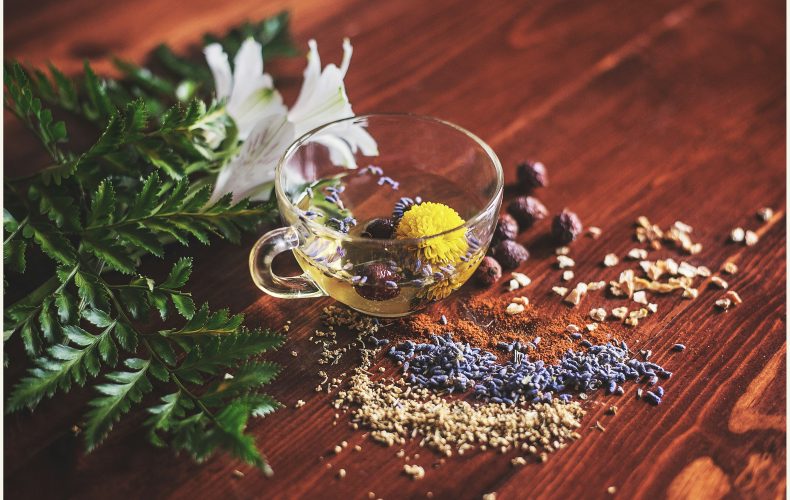

Home Remedies

Home Remedies

What are Home Remedies?

Wikipedia states a home remedy is a treatment to cure a disease or ailment that employs certain spices, vegetables, or other common items. Home remedies may or may not have medicinal properties that treat or cure the disease or ailment in question, as they are typically passed along by laypersons (which has been facilitated in recent years by the Internet). Many are merely used as a result of tradition or habit or because they are effective in inducing the placebo effect. A significant number, however, have been demonstrated to effectively treat ailments such as sprains, minor lacerations, headaches, fevers, and even the common cold.

One of the more popular examples of a home remedy is the use of chicken soup to treat respiratory infections such as a cold or mild flu, and according to recent studies, this may actually be effective. Other examples of medically successful home remedies include willow bark tea to cure headaches and fevers (willow bark contains a form of acetylsalicylic acid, also known as aspirin); duct tape to help with setting broken bones; duct tape or superglue to treat plantar warts; and Kogel mogel (egg-based homemade dessert popular in Eastern Europe) to treat sore throat.

In earlier times, mothers were entrusted with all but serious remedies. Historic cookbooks are frequently full of remedies for dyspepsia (indigestion), fevers, and female complaints.

Many European liqueurs or digestifs were originally medicinal remedies. In Chinese folk medicine, medicinal congees (long cooked rice soups with herbs), foods, and soups are part of the healing repertoire.

What are Home Remedies?

Wikipedia states a home remedy is a treatment to cure a disease or ailment that employs certain spices, vegetables, or other common items. Home remedies may or may not have medicinal properties that treat or cure the disease or ailment in question, as they are typically passed along by laypersons (which has been facilitated in recent years by the Internet). Many are merely used as a result of tradition or habit or because they are effective in inducing the placebo effect. A significant number, however, have been demonstrated to effectively treat ailments such as sprains, minor lacerations, headaches, fevers, and even the common cold.

One of the more popular examples of a home remedy is the use of chicken soup to treat respiratory infections such as a cold or mild flu, and according to recent studies, this may actually be effective. Other examples of medically successful home remedies include willow bark tea to cure headaches and fevers (willow bark contains a form of acetylsalicylic acid, also known as aspirin); duct tape to help with setting broken bones; duct tape or superglue to treat plantar warts; and Kogel mogel (egg-based homemade dessert popular in Eastern Europe) to treat sore throat.

In earlier times, mothers were entrusted with all but serious remedies. Historic cookbooks are frequently full of remedies for dyspepsia (indigestion), fevers, and female complaints.

Many European liqueurs or digestifs were originally medicinal remedies. In Chinese folk medicine, medicinal congees (long cooked rice soups with herbs), foods, and soups are part of the healing repertoire.

Send us Your Home Remedies

That’s right, send us your home remedies, we would love to publish them here on wellness4everyone.com. Click here to send us an email with your home remedy, name, and city, and state so we can give you credit for the remedy. If no name is included, you can’t brag that your remedy is on the internet to your friends! C’mon, don’t be shy!

More information on Home Remedies

You can find more Home Remedies information in the Health articles section of www.wellness4everyone.com.

Mental-Health

Mental Health

What is Mental Health?

Mental health is a term used to describe either a level of cognitive or emotional wellbeing or an absence of a mental disorder. Mental health can be seen as a continuum, where an individual’s mental health may have many different possible values. Mental wellness is generally viewed as a positive attribute, such that a person can reach enhanced levels of mental health, even if they do not have any diagnosable mental health condition. This definition of mental health highlights emotional well-being, the capacity to live a full and creative life, and the flexibility to deal with life’s inevitable challenges. Many therapeutic systems and self-help books offer methods and philosophies espousing strategies and techniques vaunted as effective for further improving the mental wellness of otherwise healthy people. Positive psychology is increasingly prominent in mental health.

Positive Mental Attitude (PMA)

There are many books written about and programs focusing on what a positive mental attitude is and how to obtain just that – a positive mental attitude. Brian Tracy, in his audio series on “the Psychology of Achievement” details the laws of nature that govern what we think, how we think, and how our thoughts affect those around us. This series is in essence an owners manual for how to live a good and fruitful life as a human. Dale Carnegie in his age defying book “How to Win Friends and Influence People” outlines how to get out of a mental rut and how to give yourself new thoughts visions, and new ambitions. His book talks of the mental attributes that are available to all who choose to learn about them to help achieve success and happiness in our lives. There is something to having a PMA and how it can change your life. More information on this subject can be found in the recommended reading section below.

What is the Human Spirit?

There are many categories that describe the human spirit, but here we will talk about two. The first has to do with a meaningful purpose in life. Most of us want a life that has meaning and purpose. We want to look back on our lives and be able to say we “made a difference.” We look forward to a fulfilling family life and career. Those people who have a sense of direction and purpose seem to be happier and healthier. In like manner, those people who have clearly defined values, and live consistently with them are happier and healthier. Those who have not defined their values and/or do not live in accordance with their values, tend to suffer poor self-esteem. The second category, internal and external relationships, refers to your relationship with yourself and with those around you. The development of healthy relationships, with both yourself and those around you, leads to enhanced spirituality and a healthier life. Spiritual health is all about developing or exercising these intangible yet vital capacities of the human spirit.

Spirituality

Studies have proven repeatedly that people who believe in a higher being, Supreme Being, or creator have overall less stress in their lives. The same studies show that these people heal faster when sickness or illness is present. People who are into meditation or yoga experience similar feelings when they can get into a relaxed state. Spirituality has also played a central role in self-help movements such as Alcoholics Anonymous. Bottom line:  belief in God is proven healthy for the human body, mind, and spirit.

More information on Senior Health

You can find more Senior Health information in the Health articles section of www.wellness4everyone.com.

Children's Health

Children’s Health

Children’s Health

Children’s health is important to our families. Unlike with adults who may have not eaten the correct diet, or exercised correctly and have gotten a sickness or disease, when it comes to children, it just seems different if they get an illness. Generally, children do not get the long-term types of sicknesses that adults get. Therefore, when a child is diagnosed with an adult type disease such as cancer or diabetes, it affects the whole family, and their lives.

What is Children’s Health?

Your child’s health includes physical, mental and social well-being. Most parents know the basics of keeping children healthy, like offering them healthy foods, making sure they get enough sleep and exercise and ensuring their safety. Is there more that parents can do? Yes, it is also important for children to get regular checkups with their health care provider. These visits are a chance to check your child’s development. They are also a good time to catch or prevent problems.

Other than checkups, school-age children should be seen if they have any of the following issues:

    * Significant weight gain or loss

   * Sleep problems or change in behavior

    * Fever higher than 102

    * Rashes or skin infections

   * Frequent sore throats

    * Breathing problems

Parents can do even more though, ensuring they are getting the correct nutrients, and not going for the “easy” meals of fast food and microwave dinners. We are starting to learn more and more that the more processed our food is, the fewer nutrients it has for our bodies.

Keys to Children’s Health

As we have written before on wellness4everyone, there are four main nutrients: carbohydrates, proteins, fats, and water. These are considered macronutrients. A good diet consists of 50% carbohydrates, 33% proteins, and around 15-17% fats. A good rule of thumb is to plan meals according to the presented percentages of carbs and proteins, and the fat will appear in the carbs and proteins. You will most of the time not have to plan the fats, they will be there. Vitamins and minerals are also considered a healthy part of a child’s nutrition plan. Vitamins and minerals are considered micronutrients. It is proven that our food and water supplies are deficient in nutrients and we have to augment our intake with vitamins and minerals. A good children’s multivitamin contains at least the Recommended Daily Allowance (RDA) of the main vitamins and minerals. A list of the main vitamins and minerals are below:

Vitamins

Vitamin A

Vitamin B Complex

Vitamin B1 (Thiamine)

Vitamin B2 (Riboflavin)

Vitamin B3 (Niacin, Niacinimide, Nicotinic Acid)

Vitamin B5 (Pantothenic Acid)

Vitamin B6 (Pyridoxine)

Vitamin B12 (Cyanocobalamin)

Biotine

Choline

Folic Acid

Inositol

Para-Aminobenzoic Acid (PABA)

Vitamin C (Absorbic Acid)

Vitamin D

Vitamin E

Vitamin K

Bioflavonoids

Coenzyme Q10

This is a good start for your child:  to limit processed food intake; to eat freshly prepared meals including fruit, vegetables, nuts, berries, and fish; and to drink plenty of water.

Children’s Health and Water

As stated above, water is one of the four main nutrients our bodies need. Children require water to aid in the process of growing. Water is involved in and drives almost every body process including digestion, absorption of other nutrients, circulation, and excretion. Water helps maintain body temperature and is essential for removing waste (acids) from the body. Many health issues today can be related back to lack of hydration with water.

Soft Drinks and Children’s Health

We cannot stress enough the fact that so called “soft drinks” or “sodas” are linked to almost every illness we are experiencing in our culture today. There is no quicker way to ruin a child’s heath than to allow the daily consumption of this acid ridden drink. These killer drinks are sweetened with high-fructose corn syrup (HFCS) because of its lower cost and the fact that it is sweeter than sugar. However, HFCS has been criticized as having a number of detrimental effects on human health, such as promoting diabetes, hyperactivity, hypertension, and a host of other problems. It is just plain bad for children’s health.

More information on Children’s Health

You can find more Children’s Health information in the Health articles section of www.wellness4everyone.com.

Men's Health

Men’s Health

Men’s Health

Men have specific health-related issues that are different from that of women. Although prostate disease is exclusively a men’s health problem, a wide range of conditions including heart disease, diabetes, high blood pressure, and some cancers affect men in certain ways. Men may experience different symptoms than women, and some treatments and preventive strategies affect men differently than women. Men’s health problems can range from chronic ailments like heart disease, diabetes, hypertension, lung diseases, and Alzheimer’s to wellness issues like exercise and fitness, nutrition, weight control, and emotional health. As men mature they may become more concerned with the effects of aging, prostate health, and changes in sexuality.

Heart Disease

One in five men has some form of cardiovascular disease. Heart disease is the number one cause of death for American men. These statistics may seem daunting, but there are steps you can take to avoid heart disease. There are many types of “heart” or cardiovascular disease. Some include heart attack, heart failure, high blood pressure, stroke, and peripheral artery disease.

Symptoms of Heart Attack in Men

If your family has a history of heart disease, you have an increased chance of developing it. However, you can reduce many risk factors by making healthy lifestyle choices.

Major risk factors for heart disease:

    * Diets high in fat and/or lacking fruits and vegetables

    * Insufficient physical activity

    * High blood pressure/hypertension

    * High cholesterol

    * High stress

    * Overweight/obesity

   * Excessive use of alcohol

    * Tobacco Use

Prostate Cancer

Prostate cancer is a disease in which cancer develops in the prostate, a gland in the male reproductive system. It occurs when cells of the prostate mutate and begin to multiply out of control. These cells may spread (metastasize) from the prostate to other parts of the body, especially the bones and lymph nodes. Prostate cancer may cause pain, difficulty in urinating, erectile dysfunction, and other symptoms.

Prostate cancer develops most frequently in men over fifty. This cancer can occur only in men as the prostate is exclusive to the male reproductive tract. It is one of the most common types of cancer in men. However, many men who develop prostate cancer never have symptoms, undergo no therapy, and eventually die of other causes. That is because malignant neoplasms of the prostate are, in most cases, slow growing and because most of those affected are over 60; hence, they often die of causes unrelated to the prostate cancer. Many factors including genetics and diet have been implicated in the development of prostate cancer.

Prostate cancer is most often discovered by PSA (prostate specific antigen) screening and less commonly by physical examination or by symptoms. There is some current concern about the accuracy of the PSA test and its usefulness. Suspected prostate cancer is typically confirmed by taking a biopsy of the prostate and examining it under a microscope. Further tests such as CT scans and bone scans may be performed to determine whether prostate cancer has spread.

Treatment options for prostate cancer with intent to cure are primarily surgery and radiation therapy. Other treatments such as hormonal therapy, chemotherapy, proton therapy, cryosurgery, and the safest treatment are natural and homeopathic. As diet is the main problem leading to most adult diseases, there are changes in diet that will have a direct result on this cancer. As most people who believe in natural treatments agree, the key to not having prostate cancer is a lifestyle that will not allow the cancer to start and grow in the body. Diet, exercise, and overall concern for health are needed to prevent this disease. More information on this disease and prevention can be found in the Men’s Health article section of www.wellness4everyone.com.

More information on Men’s Health

You can find more Men’s Health information in the Health articles section of www.wellness4everyone.com.

References

Wikipedia, keywords: heart disease, prostate cancer

Womens Health

Women’s Health

Women have specific health related issues that are different from men. To say that women have the same requirements as men to have a healthy life would be providing a great disservice to women. This article is directed to a few areas where women’s health needs are different from men’s. More information on women’s health can be found in the articles section of women’s health.

Fluids

The average woman looses 2.5 percent of total body water per day. Let’s face it, women lead busy lives and with all the running around, going to the gym, picking up the kids, shopping, and working, the water loss per day can be more than “average”. It is crucial that women replenish the water that is lost during the day to maintain good health. The normal recommendation of water intake for men and women is eight to twelve glasses of water per day. That can be a little misleading.  So for women we recommend taking your body weight and multiplying by .6. The resultant number is the approximate ounces of water you should drink each day. This is considering an active lifestyle. An example for a woman weighing 110 lbs would be:

110 lbs x .6 = 66 ounces water per day

Note: Notice soft drinks were not included in this discussion on fluids. These drinks are detrimental to any person’s health and should be avoided.

Rest

The amount of sleep needed is dependant on the individual’s current schedule, personal preferences, and level of daily stress. It would be fair to say that women have their fair share of stress each day; and all the evidence from current studies suggest that women need at least eight or more hours of sleep a night. During times of high physical or mental stress a woman may require closer to nine hours of sleep a night.  

Calcium

While calcium is often linked to bone health and its importance to optimal bone health cannot be over-emphasized, there are other important functions for calcium during a woman’s life. Calcium helps the body by aiding muscle contraction and relaxation, blood coagulation, and nerve impulse transmission. Unfortunately, approximately 75% of American women do not obtain the recommended amount of calcium in their diet to help maintain healthy bone structure. The average woman’s bone mass reaches maximum density somewhere between the ages of 25 and 35. At age 35 it begins to decrease, picking up speed during the first five years following menopause. Although the consequences of osteoporosis are more evident in postmenopausal women loss of bone density actually begins in the perimenopausal years. Recommended intake varies by age but calcium remains essential throughout every stage of life. Teenagers, young women, and post-menopausal women in particular are consuming far less calcium than is healthy … and less than their bodies’ needs.

Fitness and Exercise

To have optimal health women need to get exercise. Most women are not interesting in being bodybuilders so this makes the workout routines for women a little easier. A good workout regimen would consist of thirty minutes of cardiovascular exercise (cardio) and thirty minutes of strength training. The cardio portion can be walking, running, cycling, treadmill, elliptical, or anything that will keep the heart rate elevated for at least thirty minutes. The strength portion will tone your muscles. You should ensure that you are working all the main muscle groups in two to three sets each of a weight that will allow you to safely complete 10-15 repetitions. This type of workout is recommended three times per week for optimum health.

More information on Women’s Health

You can find more Women’s Health information in the Health articles section of www.wellness4everyone.com.

Illness Prevention

Illness Prevention

Illness

What is illness? Most experts define illness as simply, poor health. In this section, we will look at some of the causes of illness or poor health. Environmental, social, physical, and mental factors are the main contributors to poor health.

Cancer

We all know the story when it comes to cancer, do not smoke, get sunburned, have the recommended PAP smears and mammograms if you are a woman and the PSA tests if you are a man. And let’s not forget the colonoscopies no matter if you are a man or woman. People are dying each day around us and according to the American Cancer Society; over 500,000 are expected to die of cancer by the end of 2008. It seems like everyone is just waiting for negative test results. Hoping. Praying. Is there more we can do besides this? Can we have these tests and have confidence that we do not have the dreaded cancer? Yes, there are things we can do and it mostly boils down to what wellness4everyone is dedicated to:  wellness, fitness, nutrition, and overall health. You can find information on all these subjects, and on illnesses and the best ways to avoid all of them, including cancer, right here on wellness4everyone.com.

Heart Disease

Heart Disease is among the top three causes of death in the United States. One person dies from it in the US every 34 seconds on average. That is a scary statistic. Most people have known someone who has heart disease. It is a modern day epidemic. Heart disease or cardiovascular disease is any of a number of specific diseases that affect the heart itself and/or the blood vessel system, especially the veins and arteries leading to and from the heart. We know the warning signs:  being overweight, smoking, diabetes, hypertension, and high cholesterol. We know we need to have a better diet and get better exercise, but how many Americans that are at risk are actually doing the things they need to do to prevent the disease? Read the articles in the health section of wellness4everyone.com and get yourself educated on how to prevent this terrible disease or disorder.

Strokes

Strokes are the rapidly developing loss of brain functions due to a disturbance in the blood vessels supplying blood to the brain. This can be due to lack of blood supply caused by thrombosis or embolism or due to a hemorrhage. As a result, the affected area of the brain is unable to function, leading to inability to move one or more limbs on one side of the body, inability to understand or formulate speech or inability to see one side of the visual field. A stroke is a serious medical emergency and can cause permanent neurological damage and death. It is the leading cause of adult disability in the United States and Europe. It is the number two cause of death worldwide and may soon become the leading cause of death worldwide. Risk factors for stroke include advanced age, hypertension or high blood pressure, previous stroke or transient ischemic attack (TIA), diabetes, high cholesterol, cigarette smoking and atrial fibrillation. High blood pressure is the most important modifiable risk factor of stroke.

Illness Prevention

In this section of wellness4everyone, we will look into all the risk factors for all the above illnesses and what can be done to eliminate or alleviate them from our lives. If we can uncover the cause or causes of all the risk factors involved with the common illnesses of today, we will be well on our way to living optimum, illness free lives. The only way to approach this is to have an open mind and read and think for yourself. Forget all the ads on TV from the drug companies and rely on yourself to make informed decisions about your health, given the proper information. Ensuring you have the best information available today is our goal here at www.wellness4everyone.com.

Looking for more information on Illness Prevention?

You can find more Illness Prevention information in the Health articles section of www.wellness4everyone.com.