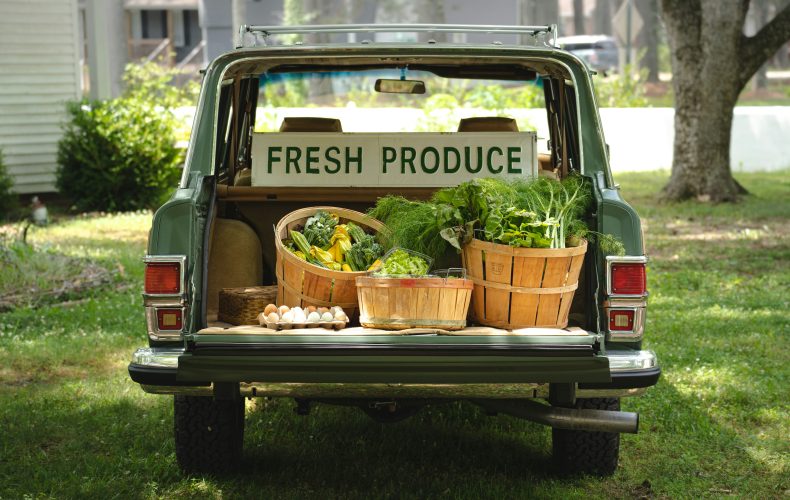
What does Orgainic Really Mean?
What are Organic Foods?
Organic foods are produced according to certain production standards, meaning they are grown without the use of conventional pesticides, artificial fertilizers, human waste, or sewage sludge, and that they were processed without ionizing radiation or food additives. Livestock are reared without the routine use of antibiotics and without the use of growth hormones. In most countries, organic produce must not be genetically modified.
Organic food production is legally regulated. Currently, the European Union, the United States, Canada, Japan and many other countries require producers to obtain organic certification in order to market food as organic.
Historically, organic farms have been relatively small family-run farms — which is why organic food was once only available in small stores or farmers’ markets. However, since the early 1990s organic food production has had growth rates of around 20% a year, far ahead of the rest of the food industry, in both developed and developing nations. As of April 2008, organic food accounts for 1-2% of food sales worldwide. Future growth is expected to range from 10-50% annually depending on the country. As more and more people are interested in their health and concerned with the processing of the food we eat today, organically grown food is showing up more and more in towns and cities across America.
OK, what does the “Organic” label mean?
Being able to put the word “organic” on a food product is a valuable marketing advantage in today’s consumer market. Certification is intended to protect consumers from misuse of the term, and make buying organics easy. However, the organic labeling made possible by certification itself usually requires explanation.
In the US, federal organic legislation defines three levels of organics:
Category 1 – Products made entirely with certified organic ingredients and methods can be labeled “100% organic”.
Category 2 – Products with at least 95% organic ingredients can use the word “organic”. Both of these categories may also display the USDA organic seal.
Category 3 – Products containing a minimum of 70% organic ingredients can be labeled “made with organic ingredients”.
In addition to the three main categories, products may also display the logo of the certification body that approved them. Products made with less than 70% organic ingredientscannot advertise this information to consumers and can only mention this fact in the product’s ingredient statement. Similar percentages and labels apply in the EU.
Beware of “Organic” Foods
The word organic is central to the certification (and organic food marketing) process, and this is also questioned by some. Where organic laws exist, producers cannot use the term legally without certification. To bypass this legal requirement for certification, various alternative certification approaches, using currently undefined terms like “authentic” and “natural” instead of “organic”, are emerging. In the US, motivated by the cost and legal requirements of certification (as of Oct. 2002), the private farmer-to-farmer association, Certified Naturally Grown, offers a “non-profit alternative eco-labeling program for small farms that grow using USDA Organic methods but are not a part of the USDA Certified Organic program.
A related concern holds that certification is replacing consumer education, and this goes against the essential, holistic nature of organic farming. By reducing complex issues and regulations to a simple, convenient certified organic label, consumers may more easily ignore the principles and practices behind organics, leaving the definition of organic farming and organic food open to manipulation.
More Information on Organic Food
To find out more information on individual herbs and their uses, look in the Organics section of www.wellness4everyone.com.
References
Wikipedia, keywords Organic Food, Organic Certification