Cardiovascular Fitness

Cardiovascular Fitness

The Cardiovascular System

The Cardiovascular system is part of the circulatory system of our bodies. The Cardiovascular system consists of the heart and our blood vessels. Blood vessels are the veins (oxygen-depleted blood) and the arteries (oxygen rich blood) that run through the body and to and from the lungs and the heart.

The Heart

What we want to emphasize in this section is the heart. The heart is an extraordinary piece of majesty and works wonders each day. The heart tissue is comprised mostly of muscle that does its own work. Meaning that the heart works involuntary to our thoughts. We do not have to think about pumping blood, the heart already knows its job function. The heart begins working before birth and continues working until death. How we use or condition our heart between birth and death is up to us.

The “Wonder” Muscle

The heart is the most important part of the cardiovascular system and I would venture to say, the whole body. So let’s talk about how we can use this great muscle. Most people do not even realize that the heart is a muscle, and even if they do know that part, they do not know how to exercise this wonderful muscle. Well, we are going to discuss that now and further in the cardiovascular section of wellness4everyone.

How to “Exercise” the heart

So how do we exercise this wonderful muscle? We like to call this exercise! Although there really is not a weight bench you can put your heart on and tell it to work out about 8-10 repetitions and it will grow stronger, there are wonderful ways of working out and building up the heart muscle.

The heart gets its workout when we move the body. Yes, as simple as that. Walking is one of the best ways to work the heart muscle. Running, jogging, cycling, and aerobics are all good ways of working the heart muscle. As we move our other muscles in the body, the muscles burn energy, and as these muscles burn energy, the blood supply needs to speed up to bring nutrients and remove waste from our muscles, therefore the heart will beat faster to get the needed blood to the working muscles. This is simply how we exercise the heart.  

What is Cardiovascular Fitness (What is the condition of my heart?)

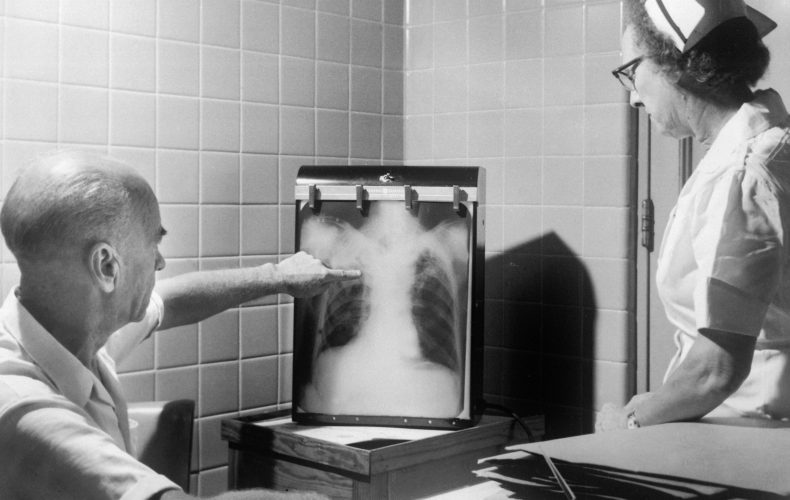
So, now we now know that the heart is the most important part of the cardiovascular system and how to “exercise” the heart. So what does it mean to have cardiovascular fitness?  Well, let’s talk more about the heart and the three different sizes of the heart. The heart typically is one of three distinct sizes and conditions. A normal, de-conditioned heart can be relatively small and weak because like any muscle that is not exercised properly, it begins to atrophy, or just simply waste away. An enlarged unhealthy heart normally grows to compensate for a deficiency in the cardiovascular system, high blood pressure, or some other vascular deformity. This type of enlarged heart is not efficient, like a heart that grows large through training and exercise. The athletic heart is strong and healthy. It is relatively large and highly efficient; pumping more blood with each stroke and with less effort. (Remember the heart’s job is to pump blood throughout the body system of veins and arteries). The “athletic” heart does its job very well and will continue to do its job well, if you take care of it.

What is an “athletic” or “conditioned” heart?

So, how can I tell what the condition of my heart is? The easiest way to tell the condition of your heart is to measure your heart rate in the morning when you first wake up. This is considered your “resting heart rate”. A person who has a conditioned cardiovascular system and heart would have a resting heart rate of 60 beats per minute or less. A person with an unconditioned heart will usually have a resting heart rate of 80 beats per minute (BPM) or more. If you work out the numbers for a 24-hour period, that would work out to 86,400 total beats for a conditioned person, and 115,200 beats for an unconditioned person. So even at rest, an unconditioned heart would beat 30,000 times more than a conditioned heart. The difference and efficiency a conditioned heart gives you is easy to see if you take a minute to check your resting heart rate. Just to make a comparison, Lance Armstrong, 7-time winner of the Tour de France, the most grueling endurance-cycling race in the world, has a resting heart rate of 32-34 bpm. This shows without a doubt, that the conditioned heart is more efficient than the unconditioned heart.

The Key to a Healthy Heart

We could talk inexhaustibly here about all the scientific terms involved with how to describe cardiovascular fitness, and how the cardiovascular system works to bring nutrients to the muscles and also remove waste products from your muscles through the body, but we are simply going to tell you how to get your heart healthy. First, I want to ask that you check with your doctor if you are unsure if you can exercise or not. Second, make sure you have some good walking, or running athletic shoes. (Flip-flops do not apply here). Third, now is the fun part, start walking, check with your local gym for aerobic classes, ride a bike, walk on a treadmill. The options are endless. We can certainly recommend any sort of exercise custom tailored for you. But here are the most important parts. Duration of exercise and intensity are the two most important factors. You need to exercise for a minimum of 30 minutes. In addition, we recommend keeping your heart rate between 60-80% of your max heart rate. We will explain more about heart rate values and duration of exercise in the heart rate section of wellness4everyone, but for now, just know that if you can talk or have a conversation without gasping for breath, you are most likely in the 60-80% max heart range. Moreover, as an added bonus, this just happens to be the best heart rate zone for burning fat in the body. So as you are exercising your heart, you are also burning fat!  Wow, what wonderful bodies we have!

References

Frederick C. Hatfield PhD. ISSA, (2004) Fitness, The Complete Guide

Sally Edwards, (1992), The Heart Rate Monitor book

Wellness Of Body

Wellness Of Body

Body Wellness

Scientists and researchers believe the maximum life span in humans is in the area of 110 to 130 years. There are some claims that there are and have been people in certain regions of the world that have reached ages of over 130 years old. We have to ask ourselves – what are the benefits to living a long life? If someone told you that you were going to live to 120 years of age, would you take better care of yourself? Most would. So why don’t we just assume we are going to live that long, and take care of ourselves in order to enjoy the time we have here on earth with our families and friends. Hopefully some of the following tips will help you make the best of the days you do have here on earth, well, at least as far as your body!

Take Care of your Body, It’s the Only One You Have!

OK, so you are part of the generation that never learned how to go to a gym or “workout”. Well, the good thing is that it is not too late. Anyone can get started on an exercise program and make it a part of your daily life. The key is to be smart about it. You can start a program too fast and possibly hurt yourself. Using a few of the following proven tips can prevent you from hurting yourself as you get started. Relax, its easy.

Cardiovascular Wellness

Cardiovascular fitness refers to exercises like walking, jogging, running, cycling, the treadmill, elliptical exercise and exercises that will elevate heart rate for a period of time. A good idea is to work out cardio for approximately 30 minutes two to three times per week. As far as intensity of the workouts, the intensity should be low to moderate, anywhere from 60-75% of maximum heart rate. We talk about heart rates in the heart rate training section.

Strength Wellness

When working out with free weights, (dumbbells or barbells), machines, or other resistance type mechanisms, the emphasis should be on form of movement. Good mechanical form of movement will correctly isolate the muscles being used, and reduce the risk of injury. When starting a strength training routine with form as the focus, the weight should be little or none until the proper form is understood and performed correctly. When the form of the exercise is learned, then weight can be used. A good starting weight is a weight that you can lift with good form for 12-18 repetitions. A good number of sets would be two sets for each exercise. Wellness4everyone recommends working with a Certified Fitness Trainer when learning a strength training routine.

Flexibility Wellness

The third area of a complete fitness regimen is flexibility training or stretching. Stretching is important for warming up the muscles and preparing them for activity.  A good stretching regimen is important for anyone participating in fitness training. A quick stretching regimen is as follows, and more information can be found in the flexibility fitness section of this website. When we are stretching a muscles or muscle group, we want to move slowly, and concentrate on the elongation of the muscle or muscle group. Stretch the muscle until you feel slight tension of the muscle and hold, the tension feeling should subside after a few seconds, if it does not, ease off the tension a little. This process should last anywhere from 15-30 seconds per stretch. As you become used to stretching, you can go one step further and stretch to the original tension, and hold, then after the tension eases, stretch the muscle a little more to go into the advanced form of stretching.

Body Wellness Nutrition

Good nutrition begins with a good plan. We take four main nutrients into our bodies: carbohydrates, proteins, fats, and water. A good sound diet consists of around 50% carbohydrates, mostly from complex carbohydrates. Protein needs to make up about 33% of our daily intake, and fats need to be around 15% of our daily intake, preferably from poly or monounsaturated sources.  If we concentrate on the correct ratios of Carbs and Proteins, we will have the correct amounts of fats in our diets, so there is really no need to go looking for the fat for your daily diet, it will usually be there already. Vitamins and Minerals (micronutrients) are also needed to maintain good health, and we need to get as much as recommended or more of these vital nutrients to have wellness of body. Drinking alkaline water each day is certainly prescribed for those wanting to improve their health. More information on vitamins and minerals can be found in the Nutrition sections of wellness4everyone.com.

More information on Wellness of Body

You can find more Body Wellness information in the Wellness, Fitness, and Health articles sections of www.wellness4everyone.com.

Wellness of Spirit

Wellness Of Spirit

Wellness of the Soul

Wellness of the soul encompasses things we do not see, hear, touch, or communicate with through the means we are used to. To discuss what wellness of the soul consists of, we need to do our best to define the soul. Following Aristotle and Avicenna, St. Thomas Aquinas understood the soul as the first principle, or act, of the body. However, his theory required that, since the intellectual soul is capable of knowing all material things, and since in order to know a material thing there must be no material thing within it, the soul was definitely not corporeal (having, consisting of, or relating to a physical material body). Therefore, the soul had an operation separate from the body and therefore could subsist without the body. Furthermore, since the rational soul of human beings was subsistent and was not made up of matter and form, it could not be destroyed in any natural process. In order to completely believe there is a soul, there is an innate need to believe in the creator of the soul. Most religions of the world recognize the creator as God, Supreme Being, or as simply, the Creator.

Is it the Mind or the Soul?

In this section, we are talking about the wellness of the soul. This is not to be confused to with wellness of the mind. Wellness of the mind consists with our thoughts, and feelings that we have general capacity to control in our physical world. Wellness of the soul is dealing with the whispers, feelings, and the “gut” feelings we have that are not of our own making and seem to permeate our lives. Some people are more in tune with these feelings and notions while others are oblivious to these feelings as they are “in the world” so much, they do not understand or notice the gentle whispers of the soul. There are crossroads where the mind and the soul come close to one another. When we are in our “happy place” our “zone” or when relaxing, praying, or meditating deeply, we can cross form the conscious thought world to the world where the soul communicates with us. Some psychologists call this the super-conscious realm, where we are conscious of ourselves but also aware of another presence around us. It is almost like a window that we can’t quite see through, we know there is something there, but we just can’t comprehend it with the senses that we have.

Food for the Soul (or is it Chicken soup?)

What makes you feel good inside? Is it doing something nice for someone else, helping a loved one or neighbor? Why does that make us feel good? Is it our mind, heart, or is it something else guiding us? People around us affect us and we as humans have a need to be around people for portions of our lives. It is said that we radiate waves or vibrations that are received by others, and that they send the same signals to us. Loving relationships are said to have the most radiation, or vibration. Many psychologists and positive thinkers suggest that loving relationships are in essence the meaning of life here on earth. What are we to take from this information? Love. Love and loving relationships, doing things for others lovingly, supporting those who need your support unconditionally, being a good example for our youth, raising children who understand these fruits of a happy soul. This is the food for the soul. Live. Love. Smile.

More information on Wellness of Soul

You can find more Soul Wellness information in the Wellness articles sections of www.wellness4everyone.com.

References

Brian Tracy. “The Psychology of Achievement” 1984

wellness of Mind

Wellness of Mind

Wellness of the Mind

Wellness of the mind involves our feelings, emotions, and our general attitude. We strive to maintain a healthy diet, exercise routinely to maintain our fitness, but are we doing the correct things to ensure the wellness of our mind? How many times do you stop, clear your mind, take a few slow breaths, and let your mind return from the daily marathon? Most of us do not take the time to let our mind really relax. We work our minds all day everyday, and many people are overworking their minds at night and never having restful sleep. We have all heard people say “I just can’t shut my mind off”. This occurs more with women as a rule, but men have sleepless nights also, and most sleeplessness is related to some sort of stress. In order to have wellness of mind, we need to learn how to deal with and overcome stress.

Wellness of the Mind, and Alcoholics Anonymous?

We have all heard the serenity prayer said at all Alcoholics Anonymous meetings, even if we have not been to one – it goes like this:

“God grant us (me) the serenity to accept the things we (I) cannot change, the courage to change the things we (I) can, and wisdom to know the difference.”

There is a lot of wisdom in that prayer. Whether you are religious or not, the words make sense. Most people worry needlessly about things that there is no way they could affect or change in a million years. Yet they are up at night thinking, planning, worrying about something that they really cannot change. What you can do is make a list of the things on your mind and look at them through a sort of “mind filter” that asks the simple question “Can I really change anything about this person, situation, or problem?” If you are really honest with yourself, you will realize that most, if not all of the things you are concerned and worried about are totally out of your control. The feeling of relief that results is amazing, and quite “freeing”. Many have used this technique in their lives and made amazing changes in their own lives because of this realization.

Worry

According to Brian Tracy “Worry is defined as a sustained form of fear caused by indecision” Brian goes on to say “As soon as we decide to act in any worry situation, the fear and the tension and stress disappear”. You see, worry is also negative goal setting. What does that mean? Well, if we worry about something, we are thinking about and imagining exactly what we don’t want to happen in a situation. By the Law of Attraction, if we are thinking in this manner, we are going to get the exact result we do not want. This all occurs due to natural law.  It obviously works in the opposite way also; so if we think of and picture good things in our mind about a situation, presentation, etc., we will get the result we were thinking of and imagining. This is all in accordance to the Law of Attraction, one of the natural laws.

The Key to Wellness of the Mind – Eliminate Worry

Brian Tracy’s “Master Method” for eliminating worry consists of the following steps:

  1. Define very clearly, what you are worried about – write it out in detail. (Usually this step alone allows you to see the solution immediately)
  2. Ask yourself “What is the worst possible outcome of this situation? (write out all the answers to this question on paper)
  3. Resolve to accept the worst if it does occur (say to yourself, “If this happens, I will learn to live with it” and accept it.)
  4. Begin immediately to improve upon the worst possible outcome. (Do everything you can to ensure the worst does not happen –  you now have purpose to your actions)

This process will take you from a negative thought process to a positive thought process. This natural transformation will occur if you follow this four-step procedure. Many people use this method when facing large or important decisions in their lives and it works wonderfully. Many people also will do this before bed to remove any thought of worry so they can sleep. Try it. You will sleep better.

More information on Wellness of Mind

You can find more Mind Wellness information in the Wellness articles sections of www.wellness4everyone.com.

References

Brian Tracy. “The Psychology of Achievement” 1984

Womens Health

Women’s Health

Women have specific health related issues that are different from men. To say that women have the same requirements as men to have a healthy life would be providing a great disservice to women. This article is directed to a few areas where women’s health needs are different from men’s. More information on women’s health can be found in the articles section of women’s health.

Fluids

The average woman looses 2.5 percent of total body water per day. Let’s face it, women lead busy lives and with all the running around, going to the gym, picking up the kids, shopping, and working, the water loss per day can be more than “average”. It is crucial that women replenish the water that is lost during the day to maintain good health. The normal recommendation of water intake for men and women is eight to twelve glasses of water per day. That can be a little misleading.  So for women we recommend taking your body weight and multiplying by .6. The resultant number is the approximate ounces of water you should drink each day. This is considering an active lifestyle. An example for a woman weighing 110 lbs would be:

110 lbs x .6 = 66 ounces water per day

Note: Notice soft drinks were not included in this discussion on fluids. These drinks are detrimental to any person’s health and should be avoided.

Rest

The amount of sleep needed is dependant on the individual’s current schedule, personal preferences, and level of daily stress. It would be fair to say that women have their fair share of stress each day; and all the evidence from current studies suggest that women need at least eight or more hours of sleep a night. During times of high physical or mental stress a woman may require closer to nine hours of sleep a night.  

Calcium

While calcium is often linked to bone health and its importance to optimal bone health cannot be over-emphasized, there are other important functions for calcium during a woman’s life. Calcium helps the body by aiding muscle contraction and relaxation, blood coagulation, and nerve impulse transmission. Unfortunately, approximately 75% of American women do not obtain the recommended amount of calcium in their diet to help maintain healthy bone structure. The average woman’s bone mass reaches maximum density somewhere between the ages of 25 and 35. At age 35 it begins to decrease, picking up speed during the first five years following menopause. Although the consequences of osteoporosis are more evident in postmenopausal women loss of bone density actually begins in the perimenopausal years. Recommended intake varies by age but calcium remains essential throughout every stage of life. Teenagers, young women, and post-menopausal women in particular are consuming far less calcium than is healthy … and less than their bodies’ needs.

Fitness and Exercise

To have optimal health women need to get exercise. Most women are not interesting in being bodybuilders so this makes the workout routines for women a little easier. A good workout regimen would consist of thirty minutes of cardiovascular exercise (cardio) and thirty minutes of strength training. The cardio portion can be walking, running, cycling, treadmill, elliptical, or anything that will keep the heart rate elevated for at least thirty minutes. The strength portion will tone your muscles. You should ensure that you are working all the main muscle groups in two to three sets each of a weight that will allow you to safely complete 10-15 repetitions. This type of workout is recommended three times per week for optimum health.

More information on Women’s Health

You can find more Women’s Health information in the Health articles section of www.wellness4everyone.com.

Illness Prevention

Illness Prevention

Illness

What is illness? Most experts define illness as simply, poor health. In this section, we will look at some of the causes of illness or poor health. Environmental, social, physical, and mental factors are the main contributors to poor health.

Cancer

We all know the story when it comes to cancer, do not smoke, get sunburned, have the recommended PAP smears and mammograms if you are a woman and the PSA tests if you are a man. And let’s not forget the colonoscopies no matter if you are a man or woman. People are dying each day around us and according to the American Cancer Society; over 500,000 are expected to die of cancer by the end of 2008. It seems like everyone is just waiting for negative test results. Hoping. Praying. Is there more we can do besides this? Can we have these tests and have confidence that we do not have the dreaded cancer? Yes, there are things we can do and it mostly boils down to what wellness4everyone is dedicated to:  wellness, fitness, nutrition, and overall health. You can find information on all these subjects, and on illnesses and the best ways to avoid all of them, including cancer, right here on wellness4everyone.com.

Heart Disease

Heart Disease is among the top three causes of death in the United States. One person dies from it in the US every 34 seconds on average. That is a scary statistic. Most people have known someone who has heart disease. It is a modern day epidemic. Heart disease or cardiovascular disease is any of a number of specific diseases that affect the heart itself and/or the blood vessel system, especially the veins and arteries leading to and from the heart. We know the warning signs:  being overweight, smoking, diabetes, hypertension, and high cholesterol. We know we need to have a better diet and get better exercise, but how many Americans that are at risk are actually doing the things they need to do to prevent the disease? Read the articles in the health section of wellness4everyone.com and get yourself educated on how to prevent this terrible disease or disorder.

Strokes

Strokes are the rapidly developing loss of brain functions due to a disturbance in the blood vessels supplying blood to the brain. This can be due to lack of blood supply caused by thrombosis or embolism or due to a hemorrhage. As a result, the affected area of the brain is unable to function, leading to inability to move one or more limbs on one side of the body, inability to understand or formulate speech or inability to see one side of the visual field. A stroke is a serious medical emergency and can cause permanent neurological damage and death. It is the leading cause of adult disability in the United States and Europe. It is the number two cause of death worldwide and may soon become the leading cause of death worldwide. Risk factors for stroke include advanced age, hypertension or high blood pressure, previous stroke or transient ischemic attack (TIA), diabetes, high cholesterol, cigarette smoking and atrial fibrillation. High blood pressure is the most important modifiable risk factor of stroke.

Illness Prevention

In this section of wellness4everyone, we will look into all the risk factors for all the above illnesses and what can be done to eliminate or alleviate them from our lives. If we can uncover the cause or causes of all the risk factors involved with the common illnesses of today, we will be well on our way to living optimum, illness free lives. The only way to approach this is to have an open mind and read and think for yourself. Forget all the ads on TV from the drug companies and rely on yourself to make informed decisions about your health, given the proper information. Ensuring you have the best information available today is our goal here at www.wellness4everyone.com.

Looking for more information on Illness Prevention?

You can find more Illness Prevention information in the Health articles section of www.wellness4everyone.com.

Modern Disease

Modern Diseases

Types of Disease

Many Countries classify modern disease into two main categories: contagious diseases and adult diseases. Contagious diseases are caused by viruses and bacteria. Modern medicine has done very well in the treatment and prevention of many of these diseases, with AIDS being the main exception to this point. Adult diseases are non-contagious diseases that we develop over time. Adults are just expected to get some of these and our modern drug industry is doing their best to ensure they have customers for life. Wellness4everyone.com is dedicated to providing information about common diseases and the current homeopathic, herbal, or non-traditional cures that do not involve over the counter or prescription drugs.

The Cause of Cancer? Other Diseases?

In 1923, A German biochemist, Dr. Otto Warburg, discovered the cause of cancer and received the 1931 Nobel Prize for doing so. Yes, that is right. He stated in his book, “The Metabolism of Tumors”, that the primary cause of cancer was the replacement of oxygen in the respiratory chemistry of normal cells by the fermentation of sugar. The growth of cancer cells is a fermentation process, which is initiated only in the relative absence of oxygen.

What is so Good about Oxygen?

We all know that we need oxygen to live, we breathe it in. Oxygen is so crucial that if we do not get it for around four minutes, our brains will fail followed by all our vital organs. Yes, oxygen is important. Dr. Warburg knew oxygen was important, and now many doctors around the world are finally looking into this precious element. Cells develop in the human body by the process of mitosis, which is the multiplication of cells from one cell. Amino acids, other nutrients, and oxygen are used for this process to occur normally. When oxygen is not present, this process is disrupted, and disease sets in rapidly. Oxygen is key to normal human development and growth. There is growing evidence that all disease, contagious and adult, can be prevented with a properly oxygenated or non-acidic body.

Common Causes of Death in the US

The three leading causes of death among adults are heart disease, strokes, and cancer. Diabetes, atherosclerosis, and liver disease are also in the top ten causes of human mortality. All of these diseases are related with dietary habits and alcohol intake, and research has shown that these and many other diseases can be reversed or eliminated through proper education, lifestyle changes, and an alkaline diet. All of us can therefore greatly benefit from healthy nutritional practices, especially if we begin early in life.

How to Oxygenate / Alkalize Yourself

As we talked about in the acid – alkaline and diet and weight loss articles, an alkaline (oxygen rich) diet helps remove the acid waste in our bodies and promotes oxygen presence on the cellular level in our bodies. In addition, we have talked about the importance of drinking alkaline water daily to “flush” the acid waste out of our bodies. We have also learned we can easily make alkaline water from regular water by using Alkalife® drops in our water.

Looking for more information on Modern Diseases?

You can find more Modern Diseases information in the Modern Diseases articles section of www.wellness4everyone.com.

References

Sang Whang, “Reverse Aging” JSP Publishing, (1990)

vitamins

Vitamins

What are Vitamins?

Vitamins are organic compounds required as nutrients in tiny amounts by living organisms, like humans. A compound is called a vitamin when it cannot be synthesized in sufficient quantities by an organism and must be obtained from the diet. This means that vitamins are nutrients that we need in our body that we would normally get out of our diet.

Why do we need Vitamin Supplements?

Normally, we would be getting all of the nutrients our bodies need from our regular intake of food. However, this is often difficult and close to impossible in the age we live in. In our chemically polluted and stress-filled world, our nutritional requirements have been increasing, but the number of calories we require are decreasing, as our general level of physical activity and energy we expend has declined.

How much of each Vitamin do I need?

Each vitamin out there has recommended serving size on the label as warranted by the US government. Will this always be the perfect amount for you? No, you may have to make judgments on your body weight, previous experience with a vitamin, and or the recommendations of a health care professional. This will also depend on the vitamin if there is a risk of toxicity in the body if too much of the vitamin is taken.

So now, we are faced with getting more nutrients into our bodies from less food. In addition, with the increase in cooking and processing of foods, which destroys most of the nutrients, we are hardly capable of getting even the Recommended Daily Allowance (RDA) of nutrients. With this said, it is now necessary to get our required nutrients in the form of vitamin supplements.

How can I take Vitamins

Vitamins come in many shapes, sizes, colors, amounts, and combinations. They come in tablet, capsule, gel-capsule, powder, lozenge, and in liquid forms. Vitamins can also be administered by injection on occasion. How you take most vitamins is up to you, however, due to variations in how rapidly the supplements are absorbed and assimilated in the body, sometimes one form is better than another.

What are Vitamins?

Vitamins are organic compounds required as nutrients in tiny amounts by living organisms, like humans. A compound is called a vitamin when it cannot be synthesized in sufficient quantities by an organism and must be obtained from the diet. This means that vitamins are nutrients that we need in our body that we would normally get out of our diet.

Why do we need Vitamin Supplements?

Normally, we would be getting all of the nutrients our bodies need from our regular intake of food. However, this is often difficult and close to impossible in the age we live in. In our chemically polluted and stress-filled world, our nutritional requirements have been increasing, but the number of calories we require are decreasing, as our general level of physical activity and energy we expend has declined.

How much of each Vitamin do I need?

Each vitamin out there has recommended serving size on the label as warranted by the US government. Will this always be the perfect amount for you? No, you may have to make judgments on your body weight, previous experience with a vitamin, and or the recommendations of a health care professional. This will also depend on the vitamin if there is a risk of toxicity in the body if too much of the vitamin is taken.

So now, we are faced with getting more nutrients into our bodies from less food. In addition, with the increase in cooking and processing of foods, which destroys most of the nutrients, we are hardly capable of getting even the Recommended Daily Allowance (RDA) of nutrients. With this said, it is now necessary to get our required nutrients in the form of vitamin supplements.

How can I take Vitamins

Vitamins come in many shapes, sizes, colors, amounts, and combinations. They come in tablet, capsule, gel-capsule, powder, lozenge, and in liquid forms. Vitamins can also be administered by injection on occasion. How you take most vitamins is up to you, however, due to variations in how rapidly the supplements are absorbed and assimilated in the body, sometimes one form is better than another.

Synthetic vs. Natural Vitamins

Vitamin supplements can be divided into two main groups: synthetic and natural. Synthetic vitamins are produced in laboratories from isolated chemicals that imitate the counterparts found in nature. Natural vitamins are derived from food sources. The vitamins from the laboratories may chemically be the same as the natural vitamin, but the natural vitamin in most cases contains the nutrient in conjunction with other nutrients that science may not yet understand the value of. Both are good for us and will help with a certain vitamin deficiency, but the natural choice is usually the better if we can get it. Each brand and type of vitamin supplement may contain different levels of “natural” ingredients in them. You must read the labels to discern how much if any of the supplement is natural. Taking vitamins with meals will usually help the assimilation in our body whether the vitamin is synthetic or natural.

Recommended Daily Allowance (RDA)

The U.S. Food and Drug Administration (FDA) as a standard for the daily amounts of vitamins needed by a healthy person instituted the Recommended Daily Allowances over 50 years ago in the US. Unfortunately, the amounts they came up with give us only the bare minimum required to be able to ward off deficiency diseases such as rickets and scurvy. The RDA’s on bottles of vitamins do not recommend the amount needed to maintain maximum health. When we are talking about a particular vitamin in this section of wellness4everyone.com, we will give you the recommendations that we believe are better for good health.

Water Soluble and Oil Soluble Vitamins

Of the main types of vitamins, some are water-soluble and some are oil soluble. Water-soluble vitamins must be taken into the body daily as they cannot be stored in the body and are excreted in one to four days. Vitamin C and the B-Complex vitamins are water-soluble. Oil soluble vitamins can be stored in the body for longer periods than water-soluble vitamins. Oil soluble vitamins include vitamins A, D, E, and K. We do need both types of vitamins to ensure proper functioning of the body and all its organs.

What are the Main Vitamins?

Vitamin A

Vitamin B Complex

Vitamin B1 (Thiamine)

Vitamin B2 (Riboflavin)

Vitamin B3 (Niacin, Niacinimide, Nicotinic Acid)

Vitamin B5 (Pantothenic Acid)

Vitamin B6 (Pyridoxine)

Vitamin B12 (Cyanocobalamin)

Biotine

Choline

Folic Acid

Inositol

Para-Aminobenzoic Acid (PABA)

Vitamin C (Absorbic Acid)

Vitamin D

Vitamin E

Vitamin K

Bioflavonoids

Coenzyme Q10

More Information on Vitamins

More information on the Vitamins can be found in the articles section of the Nutrition area of www.wellness4everyone.com or following the links above.

Cardio and Weights: A Powerful Fitness Punch

Author: Archie R. Lawhorne

A wealth of studies has established the benefits of exercise. Yet two related—and very practical—questions remain: What is the best kind of exercise and how much exercise do we need each day?

If you don’t currently exercise and aren’t very active during the day, any increase in exercise or physical activity is good for you. Some studies show that walking briskly for even one to two hours a week (15 to 20 minutes a day) starts to decrease the chances of having a heart attack or stroke, developing diabetes, or dying prematurely.

Most experts recommend getting a minimum of 30 minutes of moderate-intensity physical activity on most days of the week. You can do all 30 minutes at once or break it up into 10- or 15-minute periods.

Moderate intensity exercise is activity that causes a slight but noticeable increase in breathing and heart rate. Brisk walking fits the bill for moderate-intensity activity. How fast is brisk? For the average person, it means walking 3-4 miles an hour. Walking is an ideal exercise for many people since it doesn’t require any special equipment, can be done any time and any place, and is generally very safe.

Numerous studies have demonstrated that this simple form of exercise can substantially reduce the chances of developing heart disease, stroke, and diabetes in different populations. Keep in mind that 30 minutes of moderate-intensity activity a day is an excellent starting point, not an upper limit. Exercising longer, harder, or both can bring even greater health benefits.

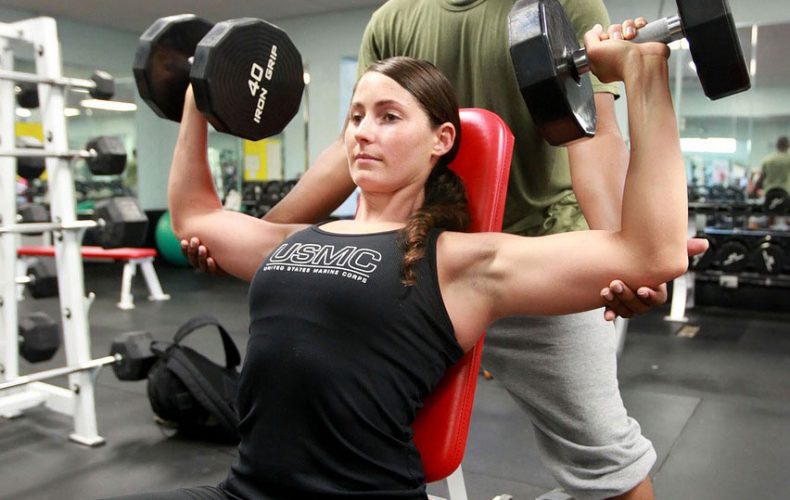
When it comes to the benefits of physical activity, cardio exercise often gets most of the attention. However, resistance training or weight training also can be an important component of an effective fitness program by helping to maintain or improve balance, muscle strength, and overall function.

Our body can basically be divided into two components: fat and muscle. Muscle is metabolically active tissue. This means that it utilizes calories to work, repair and refuel itself. Fat requires very few calories; it just kind of sits there.

As we enter our mid-to-late twenties, we slowly start to lose muscle as part of the natural aging process. By engaging in regular strength training exercise, it is possible to decrease this loss of lean muscle tissue and even replace some that has been lost already.

Another beneficial effect of resistance training pertains to bone health. In addition to weight bearing cardiovascular exercise, weight training has been shown to help fight osteoporosis.

Here are some tips for getting both types of exercise into your life:

• Set a schedule and keep to it.

• Get a friend or family member to join you. Motivate each other to keep it up.

• Cross-train. Alternate between different activities so as not to strain one part of the body day after day.

• Set goals.

• Reward yourself. At the end of each month that you stay on your exercise program, reward yourself with something new—new clothes, a compact disc, a new book—something that will help keep you committed. But don’t use junk food as a reward.

Archie R. Lawhorne is an accomplished writer, author and ardent proponent of the benefits of liquid nutrition. His free report reveals the five natural tools your body can use to solve almost any health problem.

To find out more, go to: http://www.liquid-lifeforce.com.